We describe which combinations can soften street glare, northern evening sky, and the neighbour’s motion light, when those are the stories you are living. A heavier curtain is not always the first move; sometimes a different track height or a second layer you can wash is enough to make the room feel less like a stage for the city outside, without a guarantee that one fabric will fit every case.
Sleep
Room & environment
Environment and evening, not a scoreboard
The room you actually rest in, described in plain pieces
We talk about the window, the throw you use, the desk lamp that is still too cool at eleven, and the way sound moves through a door when you are not on a call. This page is long on purpose, so you can skim for the part that matches your flat, your climate, and your week.
It does not use disease names, and it does not name products as if they were the same as seeing someone qualified when that is what you need.
At a glance
- Window, curtains, glare Light path
- Sound through walls and doors Layout
- Illustration & meters Sketch, not a chart
The sections below are levers to try, not a promise of a
particular outcome and not medical advice.
Skim friendly
Your climate
No scoreboard
Two lenses: glass, air, and path of sound
Below, two panels hold ideas that people ask about often. They are not universal fixes; they are levers. You can try a small one before a bigger purchase, and you can stop when the room already feels one notch calmer, without a perfect “after” photo.
Books and textiles on a shelf can take the edge off a shared wall. A small rug in a hall can keep footfall from reading as “the whole place is still awake” when you are not. A door that closes poorly can be heard in a different way at night. These are layout and material questions, not treatment plans, and a thin wall in a new build may still need a friendly conversation with a neighbour, not only a new poster.
A still image, not a before-and-after promise
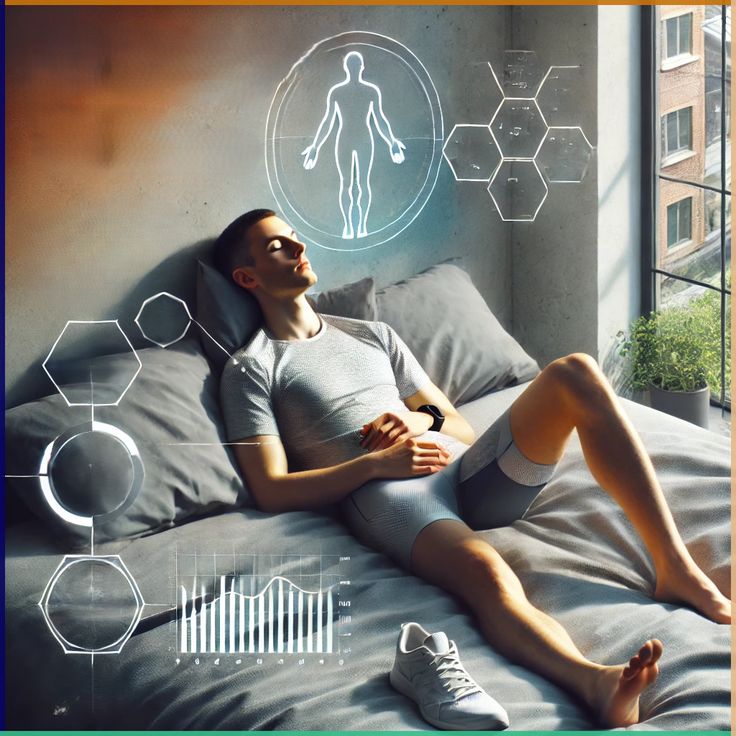
The art beside this text is a colour field, not a photograph of a “perfect” night. It is a place for your eye to rest while you think about one change at a time. The meters under it are a playful sketch of what people sometimes tune when they are working with a room, not a measure of a person and not a medical chart.
Warmer last-hour light
Less screen glare near bed
Air change you can keep
Layers and moves you can try before a new shopping list
Re-use what you have
A large scarf on a hook can be a test of whether a darker surface helps your eyes unclench before you buy a heavy blind. A cotton sheet you already own can still breathe better than a synthetic layer you dislike touching. The laundry path matters: if a “fix” is not washable in the same week as the rest of your life, it will often sit in a bag instead of in use.
Re-home what disturbs the room
A blinking device can be masked with a small box that still allows air, if heat is a concern. Cables in a tray reduce the visual “hum” of a desk that is too close to the place where you want to be still. A plant you can keep is different from a plant that becomes a guilt object; a glass of water on a table you pass is a small ritual that can stay honest when a longer ritual cannot.
What we are careful not to do, in public and in a private email
We do not use fear to sell a change. We do not promise a set number of hours saved, or a named outcome, for a named kind of person. We do not reduce people to a type, and we do not describe our studio as a stand-in for clinical assessment when that is what your context may need. If you are reading in English from Ireland or elsewhere in the EU, the same care applies: clear words, a Danish business address in the footer, and policies you can read before you use the form.